


Why Transition Visits Matter: Building Confidence, Connection & Calm Ahead of 2026
- Discover My World

- Dec 2, 2025
- 3 min read
As we approach the new year, our focus at Discover My World turns to one of the most important parts of a child’s early learning journey: transitions. For many children, this end-of-year transition is the only time they will move rooms during their DMW journey, making it a significant milestone not just for them, but for their families too.
Transition Visits allow children to step gently into what’s next — building confidence, forming early connections, and feeling emotionally supported every step of the way. At DMW, this process is never rushed, never “one size fits all,” and always grounded in thoughtful, heart-led practice.
What Transition Visits Look Like at DMW
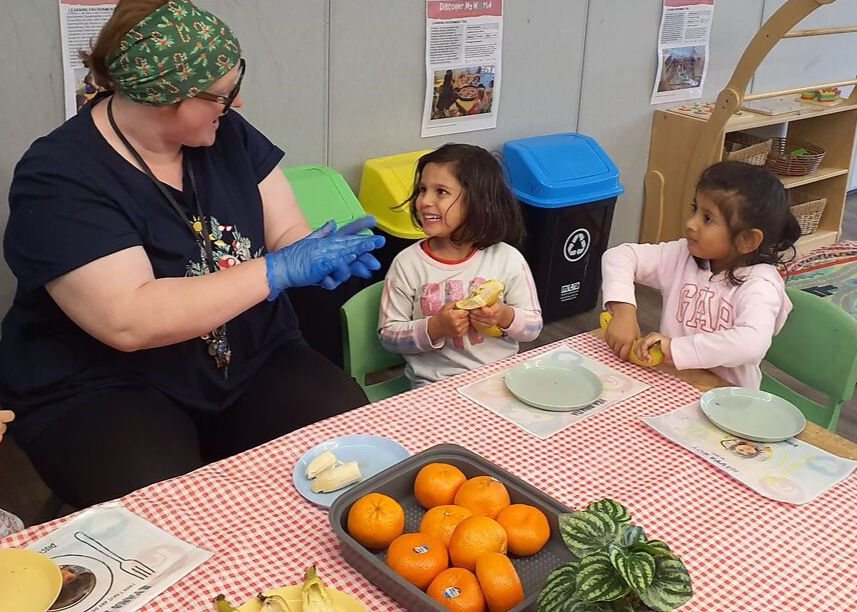
Transition visits are introduced gradually and intentionally. Children spend short, supported periods of time in their new learning environments where they can:
Explore their new room at their own pace
Meet their 2026 educators
Connect with familiar peers who are transitioning with them
Experience small parts of their upcoming routines
Build familiarity with the physical environment
These visits increase across the coming weeks, ensuring children step into January with a sense of comfort and predictability.
Why Familiar Educators Move Up With the Children
One of the most unique parts of the DMW approach is our commitment to continuity of care. Wherever possible, we ensure a familiar educator transitions up with the group.
This supports:
Attachment — children feel safe when someone they know is close by
Trust — families feel confident, knowing their child has an established bond
Consistency — educators bring deep knowledge of each child’s needs, quirks, routines and personality
Smooth transitions — fewer tears, more confidence, stronger emotional wellbeing
This thoughtful continuity is part of what makes transitions at DMW so calm and connected.




Prioritising Attachment, Routines & Emotional Safety
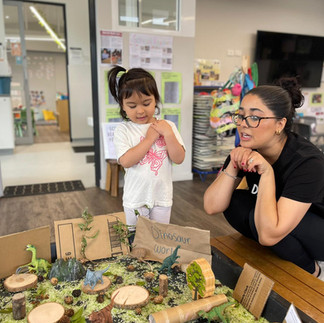
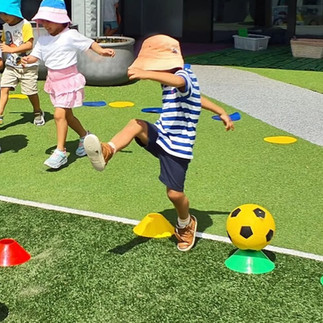
Behind the scenes, a tremendous amount of planning occurs to ensure every child feels held, supported and understood. Our team considers:
Your child’s temperament, learning style and comfort levels
Group dynamics and peer friendships
Routines, sensory needs and individualised supports
Family voice, questions and priorities
Our educators create predictable routines, familiar visuals, consistent language, and warm, reassuring interactions to help each child feel grounded. We want every child to walk into their 2026 room feeling:
“I know this place. I know these people. I belong here.”
How Transition Visits Support Learning & Development
Transitions aren’t only logistical, they are deeply developmental. They support children to build:
Confidence
Independence
Emotional resilience
Social connections
A strong sense of identity and belonging
These are foundational skills for life, and transition visits give children the time, space and support to build them gradually, with heart.
EYLF & NQS Connections (Light, Clear & Family-Friendly)
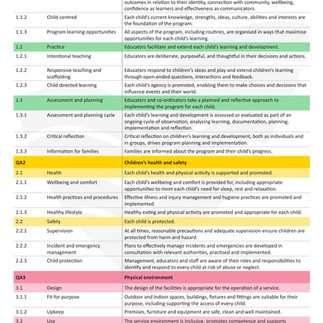
Transition visits reflect high-quality early childhood practice and directly align with:
EYLF (Version 2.0)
Outcome 1: Identity
Children feel safe, supported and confident when building new relationships and exploring new environments.
Outcome 2: Community
Children learn to contribute to new groups, routines and relationships.
Outcome 3: Wellbeing
Gentle transitions support emotional security, resilience and confidence.
Outcome 4: Learning
Children explore, investigate and problem-solve in new spaces with support.
Outcome 5: Communication
Children develop language, confidence and connection through new interactions.
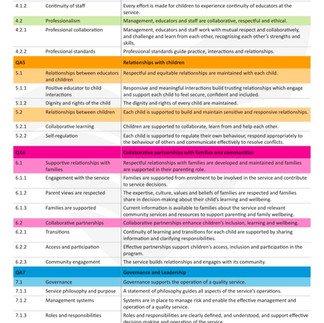
NQS Alignment
QA1: Child-centred programs that respond to children’s needs
QA5: Strong, meaningful relationships support wellbeing
QA6: Respectful partnerships with families ensure shared understanding and continuity


How Families Can Support Transitions at Home
You play an important part in preparing your child for their new room. Here are simple ways to support a smooth transition:
Talk positively about their new educators and “big kid room”
Ask open-ended questions: “What did you enjoy in your new room today?”
Create simple routines that mirror the comfort of DMW mornings
Build independence through small tasks at home
Visit the centre foyer displays and talk through room photos
Share any questions, worries or observations with us — we are here to support you
Consistency between home and DMW builds familiarity, predictability and confidence for your child.
A Warm DMW Reassurance
Transitions are an important part of your child’s journey; but they should never feel overwhelming. At DMW, we hold each child gently through this process, with heart, patience and deep respect for their individual pace.
Our team is here to ensure your child enters 2026 feeling calm, confident and deeply connected. And as always, we walk alongside you through every step of the journey.
If you ever have questions, concerns or simply want to talk things through, please reach out. We’re here, and we’re listening.


Comments