


What Does School Readiness Look Like in Australia?
- Discover My World

- Oct 15, 2025
- 3 min read

Every year, as children approach their final year of early learning, families start to hear a familiar term, “school readiness." But what does it really mean in the Australian context?
School readiness isn’t about how high a child can count or whether they can write their name neatly, it’s about preparing them holistically for the big step into primary school. In Australia, we focus on the whole child: their confidence, resilience, curiosity, and sense of belonging.
Social and Emotional Readiness
The emotional world of a child is at the very heart of school readiness. Children who feel secure, confident, and capable are more likely to embrace the transition to school with excitement.
A school-ready child:
Separates from parents or carers with growing confidence
Can express their needs and feelings
Plays cooperatively, shares, and takes turns
Shows empathy and builds friendships
Displays curiosity and persistence when learning new things
Early learning educators nurture these skills every day through consistent routines, group play, and opportunities for children to problem-solve and negotiate with others.
Cognitive and Language Development

School readiness is also about developing the foundations of literacy and numeracy through meaningful, play-based learning. A school-ready child might:
Recognise and write their name
Show an interest in stories, letters, and sounds
Count objects, explore patterns, and use simple problem-solving
Follow directions and communicate clearly
Through programs like Reading Eggs, STEM exploration, and hands-on provocations, children learn to think critically and creatively — skills that will serve them far beyond their early years.
Physical Readiness
Children need strong fine and gross motor skills to support everything from holding a pencil to climbing the monkey bars at recess.
A school-ready child can:
Use scissors, pencils, and paintbrushes with control
Open their lunch box, zip up their bag, and dress independently
Participate in active outdoor play with balance and coordination
Early learning environments help develop these skills through daily physical play, sensory activities, and practical self-help experiences.

Independence and Responsibility
Independence builds confidence, and confidence builds readiness.
Children preparing for school learn to:
Manage their belongings
Follow instructions and routines
Pack and unpack their own bags
Manage food and drink containers during mealtimes
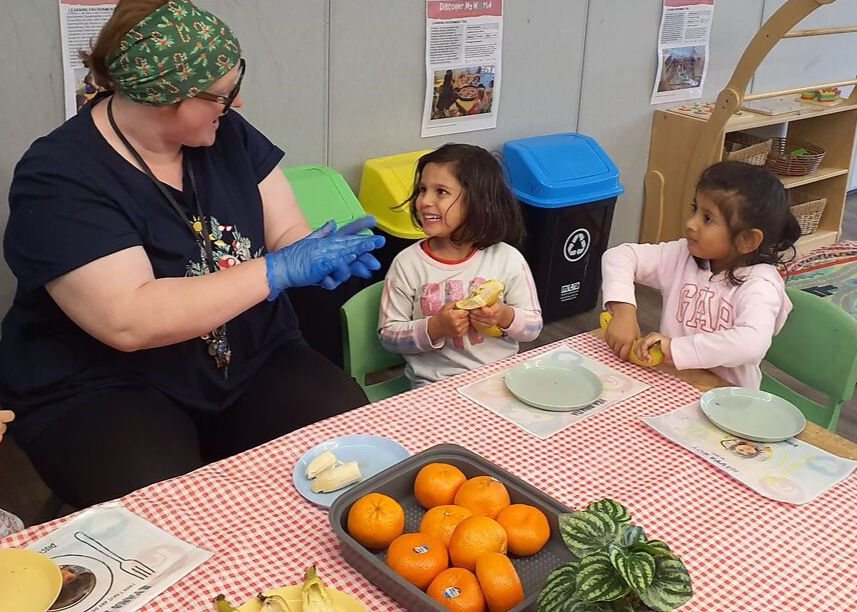
Preschool programs across Australia, including at Discover My World, use initiatives like Lunch Box Week and Crunch & Sip® to support these daily routines, mirroring the rhythm of a “big school” day.

The 3-Day Preschool Guarantee
From 2026, the NSW Government’s 3-Day Preschool Guarantee ensures every child in the year before school has access to at least three days of quality early learning each week.
This initiative recognises that consistent attendance across multiple days helps children strengthen relationships, build routine, and develop the deeper learning and social skills essential for school success.
For families, it means more opportunities to engage in a high-quality preschool program that supports not just academic readiness, but emotional, social, and physical readiness too.
At Discover My World, we see this as a positive step for children and families alike. The guarantee reinforces what educators have always known: regular, meaningful engagement in early learning leads to confident, capable, and curious learners who are truly ready for school and for life.
A Shared Journey
School readiness is not a milestone reached alone, it’s a shared journey between children, families, and educators. Together, we nurture the skills, attitudes, and confidence that make the transition to school a joyful new chapter.
At Discover My World, we’re proud to walk alongside families during this special time, preparing each child not just for school, but for a lifelong love of learning.


Comments